
Last updated: May 2026 | Reading time: 13 min | Category: Interior Upgrades
Key Takeaways
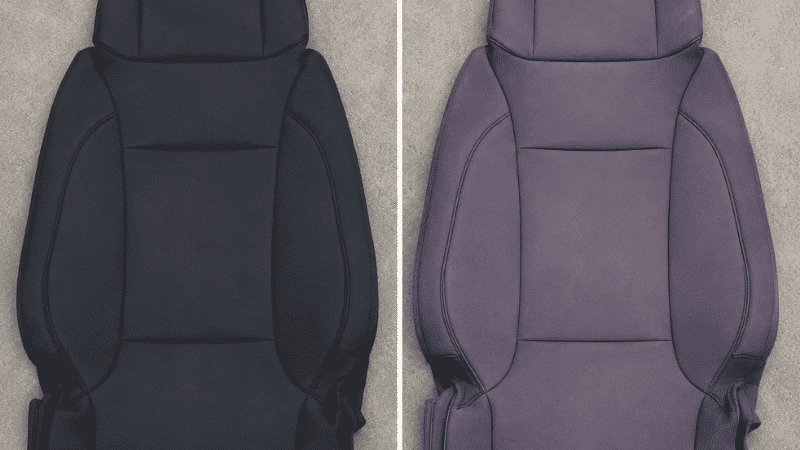
- Neoprene is not fully waterproof — it’s water-resistant, and black neoprene turns purple in the sun within months. This is the #1 complaint among Jeep owners and most guides won’t tell you
- For open-top driving, vinyl or CR-grade neoprene are the only materials that hold up properly to rain and mud exposure
- Custom-fit covers cost more but save more — universal fit covers shift, bunch, and expose your original seats within weeks of off-roading
- You should expect to spend $150–$350 for a quality full-set that actually lasts — anything under $80 for a full set is a gamble
- Airbag compatibility matters — if your Wrangler has side-curtain airbags, verify covers have proper SRS cutouts before purchasing
The Realization That Hits Every Jeep Owner Eventually
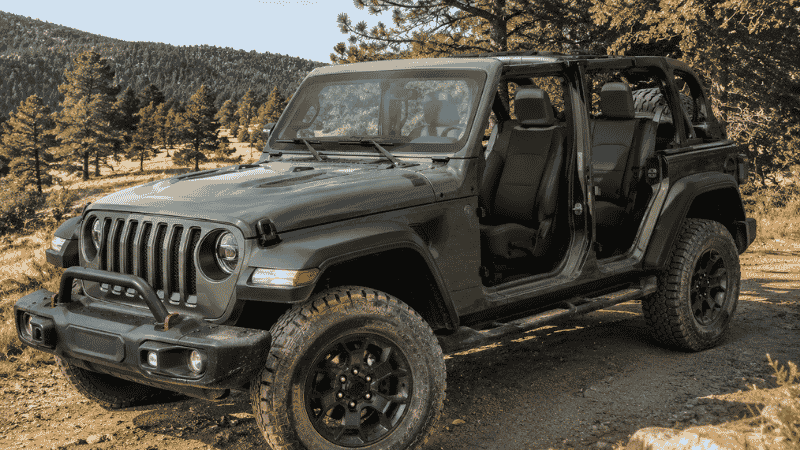
There’s a specific moment most Wrangler owners know well. You’ve just come back from a trail run — mud on the tires, dirt tracked through the doors, maybe a wet dog in the back seat, maybe a wet person in the front one. You look at your original seats and realize they’ve absorbed everything. Every puddle, every muddy boot, every spilled drink at a rest stop. The fabric is starting to smell. The bolsters are starting to show wear. And you think: I should have done this six months ago.
Or maybe you’re newer to the Jeep world and you’re trying to figure out the seat cover situation before the damage is done. Smart. Because Jeep Wrangler seats — especially cloth ones — are not built to survive serious off-road use without protection. They’re fine for a daily driver in a clean parking garage. They are not fine for someone who actually uses their Wrangler the way it was designed to be used.
This guide is for both situations. If you’ve already taken some hits, we’ll tell you what to get to prevent future damage. If you’re starting fresh, we’ll walk you through every material option honestly — including the problems that most buying guides conveniently skip — and match you with the right cover based on how you actually drive.
No fluff. Just what Jeep owners need to know.
Why Jeep Seat Covers Are Different from Regular Car Seat Covers
Most vehicles live in garages, travel on paved roads, and never have their doors removed. A Wrangler is a different animal entirely, and the seat cover requirements reflect that.
When you’re driving with the top down or the doors off, your interior is exposed to direct rain, sun, trail dust, and whatever else the environment throws at it. Standard seat covers designed for sedans and SUVs aren’t built for this kind of exposure. They’ll fade, lose shape, trap moisture, and start to deteriorate in ways that actually make your seat situation worse than no cover at all.
Wrangler-specific seat covers need to handle three things that typical covers don’t: direct UV exposure, actual water contact (not just splash resistance), and rough mechanical stress from climbing in and out on uneven terrain. They also need to work around Wrangler-specific design elements — the integrated seatbelts on some models, the specific seat shapes on JK vs JL vs TJ, and the rear bench configurations that vary significantly between 2-door and 4-door models.
This is why the material you choose matters far more for a Jeep than it does for a Honda Civic.
The Honest Material Breakdown: What Nobody Tells You
Neoprene — Popular, But With Real Caveats
Neoprene is the most commonly recommended material for Jeep seat covers, and for mostly good reasons: it’s form-fitting, provides genuine cushioning, and handles moisture better than fabric. But the marketing around neoprene covers is significantly more optimistic than the real-world experience many Jeep forum members report.
What they don’t tell you: Standard neoprene — the kind used in most mid-range seat covers — is water-resistant, not waterproof. It functions similarly to a wetsuit, which means it traps moisture rather than repelling it. If you’re driving with the top off and get caught in a real downpour, the covers will absorb water and can take a full day or more to dry out properly. Sitting on a damp neoprene seat is unpleasant. Sitting on one that didn’t fully dry and has started to develop a smell is worse.
The second issue is UV fading. Black neoprene covers exposed to consistent sun — which is inevitable if you drive topless — fade to purple within six to eighteen months. This isn’t a brand defect; it’s a material characteristic. Multiple threads across Jeep Wrangler forums document this extensively, with before-and-after photos that make the color shift unmistakable. Red fades to pink. Dark blue fades to a washed-out lavender. If color consistency matters to you, either use UV protectant spray regularly (available at marine supply stores) or choose a different material.
When neoprene is the right call: If you want the most custom-fitting, cushioned option and you’re willing to maintain it properly — including regular UV treatment and prompt drying after water exposure — genuine CR-grade neoprene from brands like Wet Okole or Coverking is excellent. It’s the choice for Jeep owners who prioritize comfort and a precise fit on daily driving with occasional trail use.
Price range: $200–$450 for a full custom-fit set. Top picks: Wet Okole Full Piping Neoprene, Coverking CR-Grade Neoprene Custom Covers.
Vinyl / Bestop-Style — The Underrated Waterproof Option
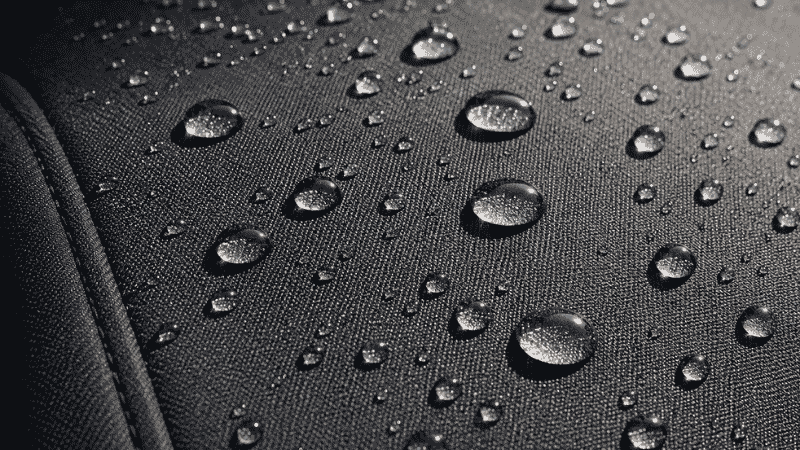
Vinyl seat covers — particularly those from Bestop, which has been making Jeep-specific products for decades — are the genuine waterproof option that most guides undervalue. Unlike neoprene, vinyl doesn’t absorb moisture. Rain hits it and runs off. Mud wipes clean. There’s no “drying time” because nothing soaks in.
The trade-off is that vinyl is firmer than neoprene and gets hotter in summer and colder in winter. It also doesn’t conform to seat contours quite as precisely. But for Jeep owners who regularly drive topless, live in rainy climates, or need covers that can genuinely handle full submersion-level exposure, vinyl delivers what neoprene promises but doesn’t always deliver.
Bestop’s Jeep-specific covers are also precision-fit for Wrangler seat shapes going back to the TJ era, which means they install without the gap-and-bunch issues that plague universal covers.
When vinyl is the right call: Open-top driving in wet conditions, beach use, heavy mud exposure, or anyone who’s already been burned by neoprene fading.
Price range: $150–$300 for a full set. Top pick: Bestop TrailMax II Seat Covers (Jeep-specific fit).
Canvas / Polycotton — The Workhorse Material
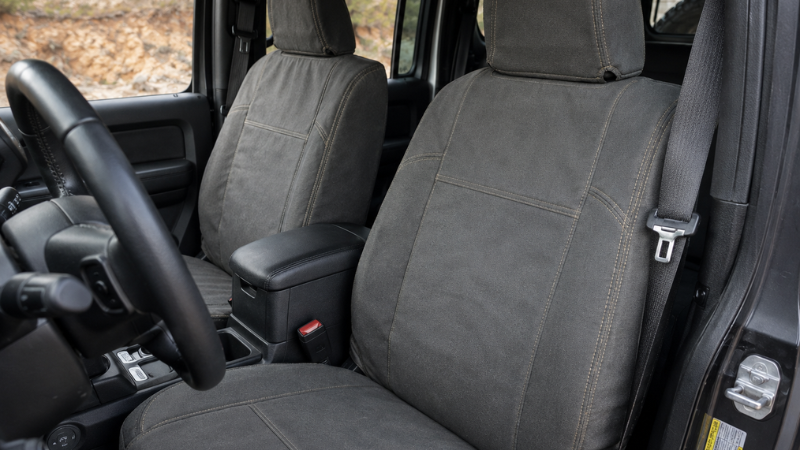
Canvas and polycotton covers — offered by brands like Covercraft (Carhartt collaboration), Rugged Ridge, and Fia — are the heavy-duty fabric option. They’re not waterproof in the way vinyl is, but most are treated for water resistance and are significantly more breathable than neoprene or vinyl. In hot climates, breathability matters: neoprene and vinyl can feel suffocating in summer heat, while canvas lets air circulate.
The Covercraft Carhartt SeatSaver covers deserve specific mention. They use 1,000-denier Cordura Nylon construction with Carhartt’s Rain Defender DWR treatment — a water-resistant coating applied to the fabric. They’re machine washable, which makes cleanup after muddy trips genuinely easy, and they’re built to the same durability standard as Carhartt workwear. The trade-off versus vinyl: they’re not truly waterproof, and extended rain exposure will eventually penetrate the fabric.
When canvas is the right call: Daily drivers who also do trail runs but aren’t driving in heavy rain with the top off. Excellent for pet owners and families — durable, breathable, and machine washable.
Price range: $180–$380 for a full custom-fit set. Top picks: Covercraft Carhartt SeatSaver, Fia Wrangler Series.
Ballistic Nylon / Tactical — Maximum Durability
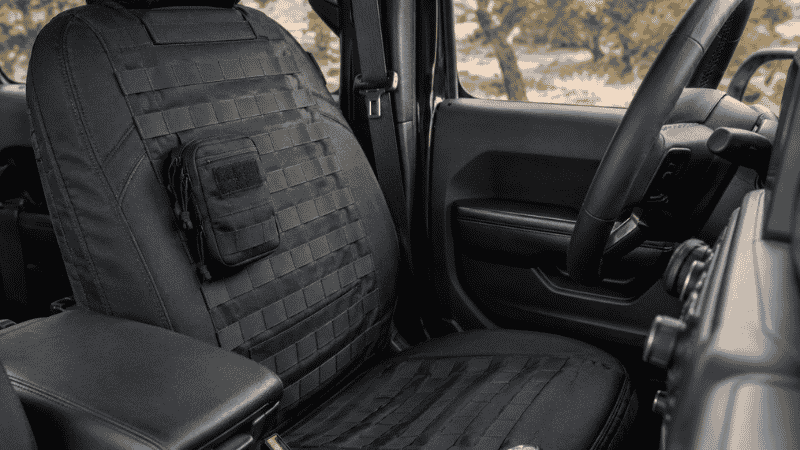
Ballistic nylon is the same dense material used in luggage and body armor. Bartact’s tactical seat covers for Wrangler models are the dominant brand here — they use a PALS/MOLLE system that lets you attach pouches and storage accessories directly to the seat cover, which appeals to overlanders and off-road enthusiasts who run gear-heavy setups.
Ballistic covers don’t conform as precisely as neoprene, but they don’t fade, don’t absorb moisture easily, and can handle mechanical abuse — sharp gear edges, climbing equipment, tool contact — that would damage softer materials. They’re an investment: Bartact front pairs start around $250-350, but the covers are regularly reported to outlast the vehicles they’re installed on.
When tactical/ballistic is the right call: Serious overlanding, heavy gear transport, anyone who needs MOLLE attachment points, or anyone prioritizing longevity over comfort.
Price range: $250–$500+ for front pair from premium brands. Top pick: Bartact Tactical Seat Covers (JL, JLU, JK specific fits available).
Leatherette / Faux Leather — For the Daily Driver Wrangler
Not every Wrangler is a trail beast. Some are daily drivers that happen to be Jeeps — and their owners want an interior that looks and feels elevated without the rugged-only aesthetic of tactical covers. Leatherette (also called faux leather or eco-leather) delivers a clean, premium look that’s easier to maintain than genuine leather and more water-resistant than cloth.
For Wranglers that rarely see trails but do see coffee cups, kids, and grocery runs, leatherette covers make the interior feel significantly more upscale for $150–$300. The limitation: they’re not built for serious off-road punishment, and UV exposure without protection will cause them to crack over time.
When leatherette is the right call: Urban and suburban Wrangler drivers, anyone who wants a cleaner interior aesthetic over rugged protection.
Price range: $150–$350 for a full custom-fit set. Top picks: Coverado Full Set Seat Covers, CalTrend “I Can’t Believe It’s Not Leather” Custom Covers.
Match Your Material to How You Actually Drive
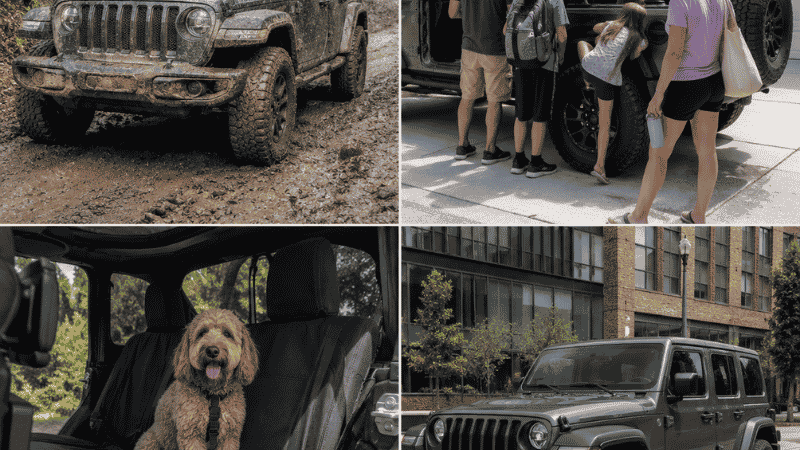
Stop reading general “best of” lists and answer two honest questions first:
Question 1: How often does your Wrangler’s interior get wet?
- Never / Rarely → Leatherette or canvas
- Sometimes (occasional rain, spills) → Canvas with DWR treatment or neoprene
- Regularly (top-off driving in variable weather, beach, mud) → Vinyl or CR-grade neoprene with UV protectant routine
Question 2: Who and what goes in your Wrangler?
- Solo daily driver → Comfort-focused: neoprene or leatherette
- Family with kids → Easy-clean: canvas/Carhartt (machine washable) or vinyl (wipe clean)
- Dogs / pets → Durability + easy clean: ballistic nylon or vinyl
- Heavy gear / overlanding → Tactical: Bartact MOLLE system
- Mixed trail and daily → All-rounder: Carhartt canvas or CR-grade neoprene with UV treatment
Custom Fit vs. Universal Fit: This Decision Matters More Than the Brand
Universal-fit seat covers are tempting on price — a full set for $40-80 sounds like a reasonable experiment. The problem is that Jeep Wrangler seats are not standard shapes. The bolsters, the headrest integration, the seat belt cutouts on certain models, and the rear bench configuration on 4-door models all create fitment challenges that universal covers cannot solve with elastic straps alone.
What happens in practice: the covers shift during entry and exit, bunch at the seat base, expose the original seat along the edges, and create pressure points that are uncomfortable on longer drives. After a few weeks of use, they look worse than no cover at all and have provided minimal actual protection.
Custom-fit covers are cut using digital scanning data for your specific Wrangler model year and trim. They stretch over the seat like a second skin, stay in place during use, and maintain their appearance through actual off-road conditions. The price difference — typically $100-200 more than universal — is worth it for any Wrangler you plan to keep.
When specifying your order: include your model year, door count (2-door vs. 4-door Unlimited), and whether your seats have integrated airbags. Wrangler JL models from 2018 onward have side-curtain airbag systems; covers must have SRS-compatible seams that allow proper airbag deployment. Installing covers without this feature on an airbag-equipped vehicle is a safety issue, not just a fitment one.
The Installation Reality: What to Expect
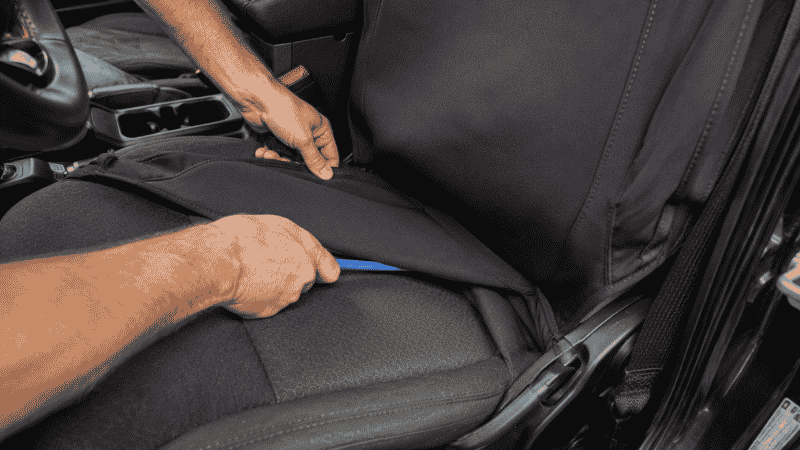
Most custom Jeep seat covers install without tools and take 20-45 minutes per seat once you’ve done it once. The first time takes longer because you’re learning how the straps, hooks, and tucking points work on your specific cover design.
General installation sequence that works for most cover types:
Step 1: Remove the headrests and set them aside. Most covers install more easily with them detached.
Step 2: Fit the seat back cover first. Work from the top down, tucking the material into the seat crease using a plastic pry tool or a ruler wrapped in cloth — never a metal tool that can scratch the seat frame.
Step 3: Secure the straps under the seat. Run your hand under to find the attachment points and pull the cover snug before fastening. Under-tensioned covers shift immediately.
Step 4: Fit the seat cushion cover, tucking the rear edge into the seat hinge gap.
Step 5: Reinstall the headrests. If your covers include headrest covers, put those on first.
Step 6: Check airbag seam alignment. The seam designed to split open for airbag deployment should be positioned correctly — typically along the outer bolster. Verify this before considering the installation complete.
The most common installation mistake is under-tensioning the straps in the belief that snug installation will damage the seat. It won’t. The straps are designed to be pulled firm. Loose installation causes the shifting and bunching that makes people think their covers don’t fit properly.
What Happens If You Buy the Wrong Covers
Neoprene fading: If your black covers start turning purple, there’s no reversing it. UV protectant spray (303 Aerospace Protectant works well) can slow further fading but won’t restore original color. Plan to replace in 2-3 years if this bothers you, or choose a color that fades more gracefully.
Moisture trap smell: Neoprene and some canvas covers that get soaked and don’t dry properly develop a mildew smell. The fix: remove the covers, hand wash with mild detergent, and dry completely in direct sunlight before reinstalling. Do not machine wash neoprene — the agitation damages the foam backing over time.
Cover shifting constantly: The straps are under-tensioned. Pull them significantly tighter than feels comfortable. If they’re at maximum tension and still shifting, the covers are likely the wrong size for your seat configuration — confirm your Wrangler’s door count and model year against the cover’s fitment chart.
Universal cover won’t cover the full seat: This is a design limitation, not a defect. Universal covers can’t account for seat-specific dimensions. The exposed seat area will accumulate exactly the dirt and wear you were trying to prevent. Budget for a custom-fit replacement.
The Skip List: What’s Not Worth Your Money
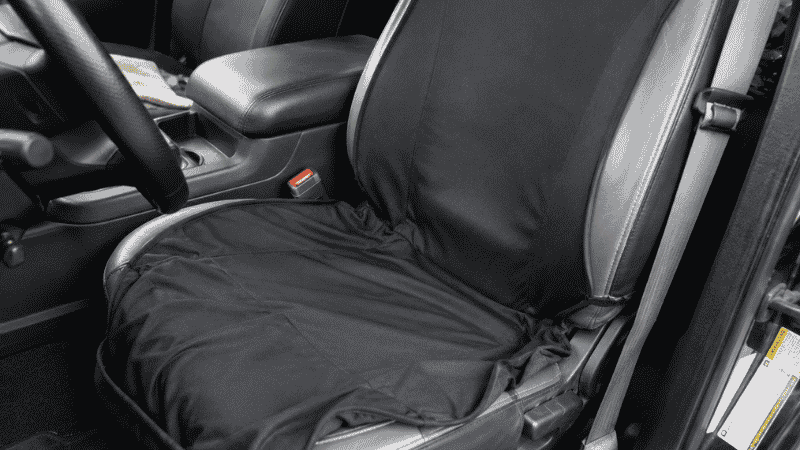
Ultra-cheap Amazon sets under $60 for a full Wrangler: At that price point for a vehicle with Wrangler’s seat complexity, you’re getting universal-fit fabric with thin padding and plastic attachment hardware. They’ll look fine in unboxing photos. They’ll look terrible after your first trail run.
Sheepskin covers for a trail Wrangler: Sheepskin is a legitimate material for luxury daily drivers in mild climates. On a Wrangler that sees mud, it’s a disaster — sheepskin absorbs everything and requires professional cleaning. Save it for the Lexus.
Heated seat covers on top of existing heated seats: If your Wrangler already has factory-heated seats, installing a heated seat cover on top creates an electrical compatibility issue and reduces heat transfer. Pick one or the other.
Covers marketed as “airbag compatible” without specifying your model year: Airbag compatibility is model-specific. A cover that deploys correctly on a 2015 JK may not deploy correctly on a 2022 JL. Verify against your specific vehicle, not a general compatibility claim.
How Often Should You Replace Jeep Seat Covers?
With proper maintenance, quality custom-fit covers from reputable brands should last 3-7 years depending on use intensity. Signs it’s time to replace:
- Material has visibly thinned, cracked, or torn
- Stitching is separating at stress points (seat crease, bolster edges)
- Cover no longer holds position despite proper tensioning — elastic has relaxed permanently
- Persistent odor that won’t resolve after cleaning
One useful habit: every time you do a trail wash or mud cleanup, check the cover seams and attachment points while they’re already being handled. Catching a seam starting to separate early is a 10-minute repair; catching it after the seat beneath is fully exposed to months of damage is a replacement job.
FAQ
Are Jeep Wrangler seat covers worth it? Yes, unambiguously. Original Wrangler seats — especially cloth — are not built for serious off-road exposure. Without covers, expect faded, stained, and worn upholstery within 2-3 years of regular trail use. Quality seat covers cost $150-350 and last years; seat reupholstery costs $500-2,000 per seat. The math is simple.
What are the best seat covers for Jeep Wrangler JL? For the 2018+ JL specifically, confirm any cover you buy is SRS airbag compatible — the JL has side-curtain airbags that earlier models don’t. Wet Okole, Bartact, and Covercraft Carhartt all offer JL-specific fit options with proper airbag seam placement. Avoid universal covers on the JL entirely.
Do neoprene seat covers make your Jeep hot? Yes, significantly more so than canvas or fabric. Neoprene doesn’t breathe well. In direct sunlight on a hot day, neoprene covers get noticeably warm before you even sit down. If you’re in a hot climate and driving without AC (which is common with the top off), canvas or mesh covers are more comfortable.
Can you wash Jeep seat covers in the washing machine? Depends on the material. Canvas/polycotton covers (like Carhartt SeatSavers) are machine washable on cold gentle cycle — one of their main selling points. Neoprene should be hand washed with mild soap and air dried; machine washing damages the foam backing over time. Vinyl and leatherette wipe clean and don’t need washing. Always check the manufacturer’s specific care instructions.
Will seat covers void my Jeep warranty? No. Aftermarket seat covers are not a warranty-voiding modification. The Magnuson-Moss Warranty Act prevents manufacturers from voiding warranties solely because aftermarket accessories were installed, unless the manufacturer can demonstrate the accessory caused the specific problem being claimed.
Do seat covers work with heated and ventilated seats? Mostly yes, with caveats. Thin neoprene and canvas covers generally allow heat and airflow to pass through well enough for the factory systems to function. Thick covers with foam backing reduce effectiveness noticeably. If you rely heavily on your factory heated seats in winter, lean toward thinner cover options and test heat-through before the cold season.
How do I know if my Jeep has side airbags? Check your door jamb sticker or owner’s manual. All JL Wranglers (2018+) have side-curtain airbags. Many JK models (2007-2018) do as well, but coverage varies by trim and year. When in doubt, ask your dealership’s service department — they can confirm in under a minute from your VIN.
References
- Magnuson-Moss Warranty Improvement Act, 15 U.S.C. § 2302 — Consumer rights regarding aftermarket accessories and manufacturer warranties
- U.S. National Highway Traffic Safety Administration (NHTSA) — Federal Motor Vehicle Safety Standard No. 214, Side Impact Protection, airbag deployment requirements
- Quadratec Technical Reference — What Are the Differences in Jeep Seat Cover Materials (industry material comparison guide)
- JL Wrangler Forums — Documented real-world neoprene fading and moisture retention reports from Jeep owners (2019–2026 threads)
Wrangler-specific question we didn’t cover? Contact us — we read everything.