
Key Takeaways
- When the airbag warning light is on, the SRS system is disabled — your airbags will not deploy in a collision until the fault is resolved
- The most important thing to understand: your regular brakes still work — the airbag system operates independently of braking, steering, and most other vehicle systems
- Seat belt pretensioner sensor faults are the most common cause — often triggered by something as simple as a heavy bag resting against the seat or a child seat installation
- This is one of the few warning lights that genuinely requires professional diagnosis — the SRS system involves explosive components that require specialized handling and calibrated scan tools
- A car that has been in a minor accident where airbags didn’t deploy may have stored crash data in the SRS module — this resets the light but requires module clearing or replacement
The Light That Actually Deserves Your Attention
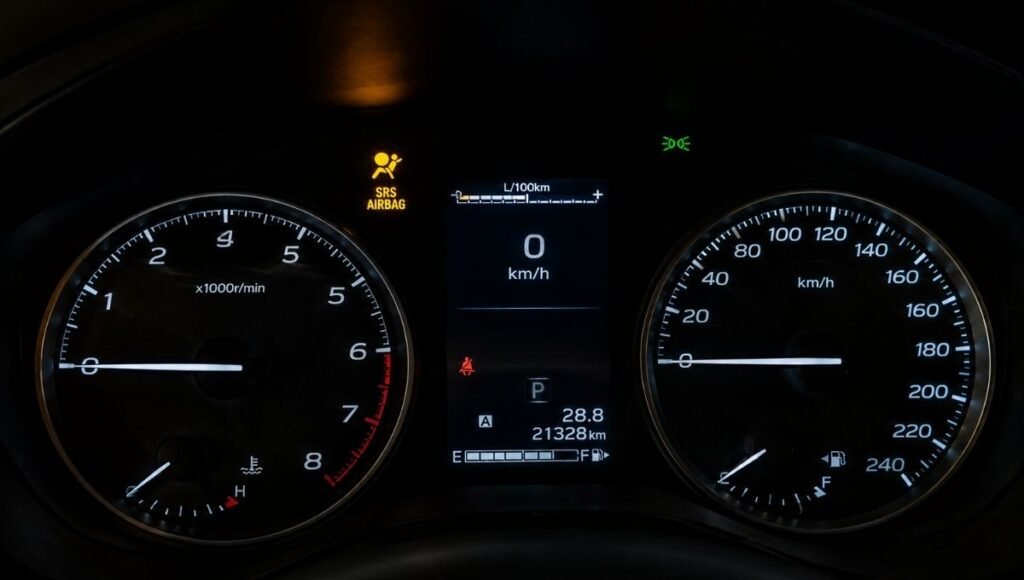
You turn the key, the dashboard runs through its startup sequence, and then — instead of going off like it’s supposed to — the airbag light stays on. Or maybe it came on while you were driving last week and it’s been there ever since, that small yellow person in a seat with a circle in front of them, silently glowing.
Most warning lights carry a spectrum of urgency. The oil pressure light and temperature light are immediate emergencies. The tire pressure light is usually a minor inconvenience. But the airbag warning light lands in its own category — not because it means the car is about to break down, but because of what it means for you specifically.
When the SRS light is on, the system that deploys your airbags in a collision has been disabled. The car still drives. The brakes still work. But if you’re in an accident, the airbags will not deploy. No frontal protection. No side curtain deployment. Just you and the steering wheel and the dashboard, the way cars worked before the mid-1980s.
You can still drive to work. You’re not about to stall on the highway. But this is the one where “I’ll deal with it later” is a choice with real consequences.
How the SRS System Actually Works
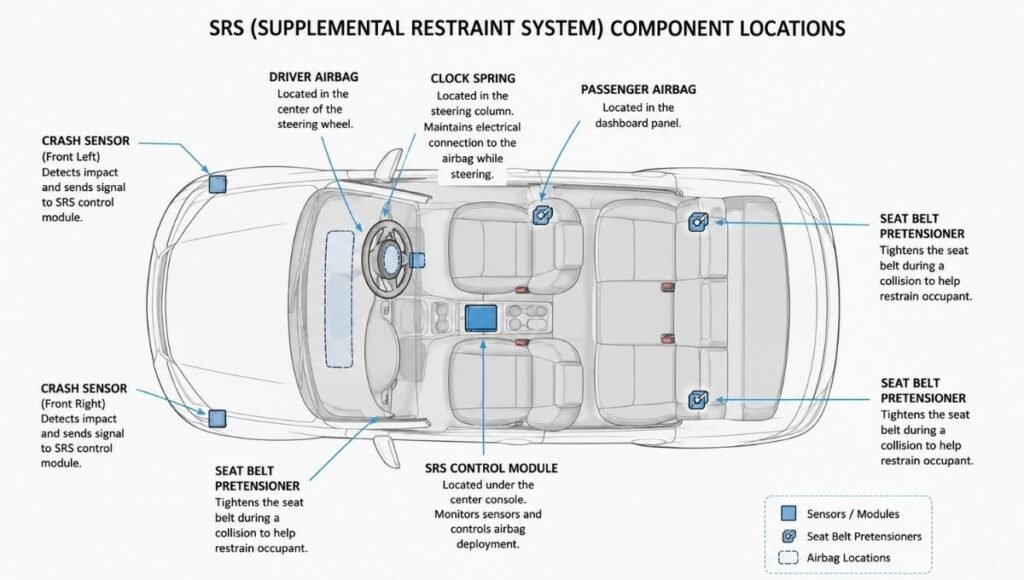
Understanding the basics helps explain why so many different things can trigger the light.
Your car’s Supplemental Restraint System (SRS) is a network of components that all have to be functioning correctly before the system will activate in a crash. This includes:
- Crash sensors (impact sensors at the front and sides of the vehicle that detect collision forces)
- The SRS control module (the central computer that receives sensor data and determines when to deploy)
- Airbag inflators (the explosive charge that inflates the bags in milliseconds)
- Seat belt pretensioners (devices that retract the seat belt tight in a crash, working in coordination with the airbags)
- Occupant sensors (in the passenger seat, detecting whether and how the seat is occupied to calibrate airbag force or suppress deployment for children)
- The clock spring (in the steering column, maintaining electrical connection to the driver’s airbag as the wheel turns)
The SRS module continuously monitors all of these components. The moment it detects something outside normal parameters — a failed sensor, a broken circuit, stored crash data — it disables the system entirely and turns on the warning light. The logic is intentional: a partially functioning airbag system that deploys at the wrong time or with incorrect force is potentially more dangerous than no deployment at all.
This is also why the light is more complex to diagnose than most other warning lights. It’s not just one system with one failure mode. It’s an entire network.
The Six Most Common Causes of the Airbag Warning Light
1. Seat Belt Pretensioner Sensor Fault
This is the cause most people don’t expect, and it’s far more common than most guides acknowledge.
Seat belt pretensioners contain a small explosive charge — similar to the airbag inflators — that retracts the belt tight in a collision. They’re part of the SRS network and monitored by the same module. The sensors in the pretensioner mechanism or the seat weight sensors beneath the seat can trigger an SRS fault for a variety of reasons:
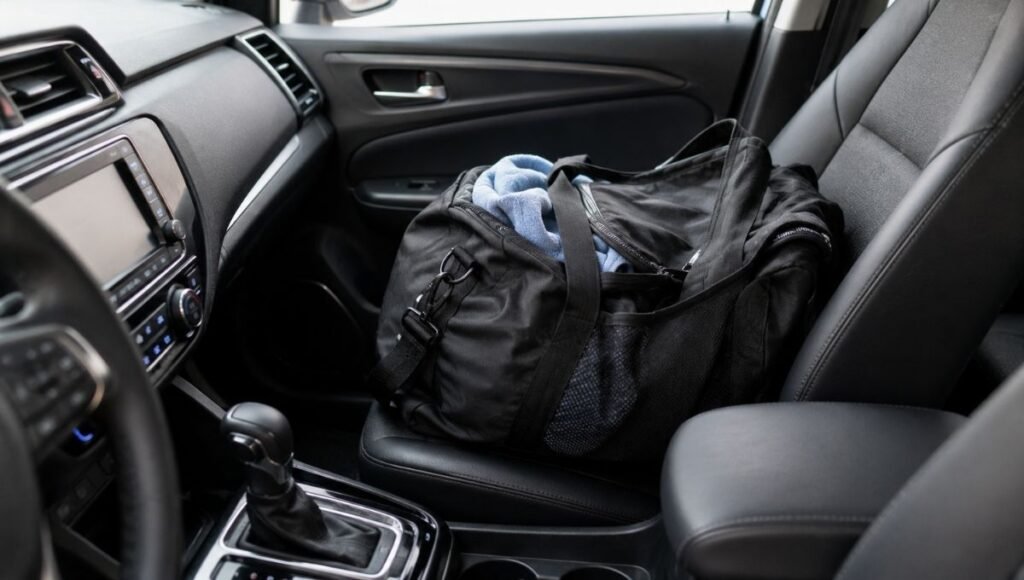
- A heavy item resting on the passenger seat (groceries, a gym bag, a briefcase) can confuse the occupant weight sensor, which is calibrated to distinguish between an adult, a child, and an empty seat
- A child seat installed with high tension can affect the seat weight sensor readings
- Connector corrosion under the seat from years of floor mat cleaning with wet products
- A connector disturbed during seat adjustment or cleaning
The practical takeaway: if the airbag light came on recently and you’ve been putting heavy bags on the passenger seat, try clearing the seat and restarting the car. Occasionally this resolves a sensor confusion that hasn’t become a stored fault code. If the light persists, the fault needs to be diagnosed.
2. Clock Spring Failure
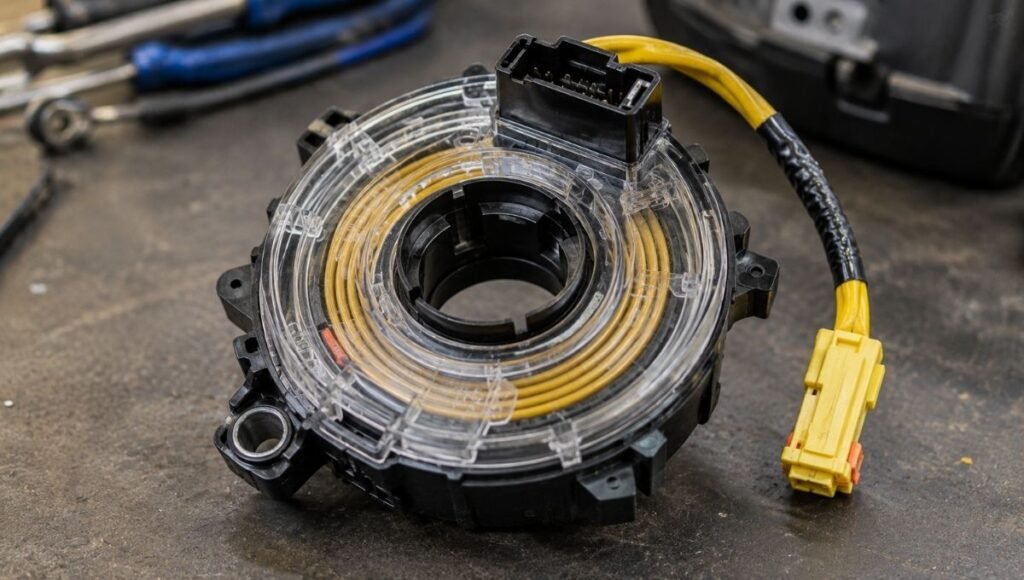
The clock spring (also called the spiral cable or contact reel) is a coiled electrical connector inside the steering column that maintains the electrical connection to the driver’s airbag as the steering wheel rotates. Because it coils and uncoils thousands of times over the vehicle’s life, the thin circuit bands inside eventually wear and break.
When the clock spring fails, the driver’s airbag loses its connection and the SRS module registers the fault. This is more common on vehicles with higher mileage — typically 80,000+ miles — and on vehicles where the steering wheel components have been serviced or replaced.
A clock spring fault almost always requires replacement of the component. It’s not an expensive part ($50–$150 for most vehicles) but it’s inside the steering column and near the steering wheel airbag, which means the work needs to be done by a technician who has disabled the SRS system before accessing the area.
3. Low or Depleted Battery / Voltage Drop
The SRS system has its own backup battery capacitor that maintains power for airbag deployment even if the main battery fails in a collision. When the car’s main battery is severely depleted or replaced, the SRS module can register a voltage fault that turns on the airbag light.
This is one of the few situations where the airbag light may resolve on its own. After a battery replacement or after fully recharging a depleted battery, drive the vehicle for 10–15 minutes to allow the SRS system to reset and verify normal operation. On many vehicles, the light will go off on its own if the fault was a temporary voltage drop and no code was stored.
If the light remains after the battery issue is resolved, the fault code may need to be cleared with a scan tool.
4. SRS Module Water Damage or Corrosion
The SRS control module is typically located beneath the driver or passenger seat, or in the center console area — unfortunately, at floor level where water intrusion from floor mats, spills, or flooding can reach it.
Even minor water exposure causes the module’s circuit board to corrode over time. A corroded module will generate persistent, often changing fault codes and may not respond to code clearing. Water-damaged modules typically need replacement rather than repair. The cost varies significantly by vehicle — $150–$600 for the module plus labor — but driving with a compromised SRS module means driving without airbag protection.
If you’ve had any flooding, significant spills in the footwell area, or if your floor mats were soaked, and the airbag light appeared shortly after, water damage to the module is a likely cause.
5. Previous Collision Crash Data Stored
The SRS module stores crash event data. Even in a minor impact where airbags didn’t deploy — a low-speed parking lot collision, for instance — the crash sensors may have registered an impact sufficient to write an event record to the module. Once crash data is stored, the airbag light comes on and will not go off until the module is cleared or replaced.
This is a common situation on used vehicles: the previous owner had a minor accident, the airbags didn’t deploy, and they didn’t address the SRS light. The new owner buys the car with the light already on, or it appears shortly after purchase.
A specialist with the right scan tool can clear soft-code crash data in most cases. If the module took damage in the collision (physical impact, high g-force event), replacement may be necessary.
6. Occupant Classification System Fault
Modern vehicles — particularly those from 2010 onward — have sophisticated occupant classification systems in the passenger seat that determine the appropriate airbag response based on whether the seat is empty, contains a child seat, or has an adult passenger.
These systems use weight sensors, sometimes seat position sensors, and in some cases capacitive sensors woven into the seat fabric. They’re more sensitive than older binary sensors and can develop faults from worn components, connector issues, or simple calibration drift over time.
An OCS fault may suppress the passenger airbag (the system thinks a child or empty seat is present when an adult is sitting there) and turn on either a passenger airbag indicator light or the main SRS light. On some vehicles, a separate “Passenger Airbag Off” indicator is the relevant warning rather than the main SRS light.
Can I Drive With the Airbag Warning Light On?
The honest answer: yes, the car will drive normally. Your brakes, steering, engine, and transmission are not affected by the SRS system’s status.
But you’re driving without airbag protection. If you’re in a frontal collision at 35 mph or above, or a significant side impact — the situations where airbags make the difference between serious injury and walking away — they will not deploy.
Whether that risk is acceptable depends on your situation:
Short-term (getting to a shop): Fine. Drive to a mechanic with appropriate SRS diagnostic equipment.
Days to weeks: A calculated risk. You’re driving without one safety system, the same way cars before airbags were standard equipment. People drove those cars, most safely. But you’re knowingly removing a layer of protection that modern driving conditions factor into collision safety design.
Long-term: This is where “I’ll deal with it eventually” becomes genuinely problematic. The SRS system is a significant part of why modern vehicles have the crash safety ratings they do. According to NHTSA data, frontal airbags reduce driver fatalities in frontal crashes by approximately 29%. Driving for months with the system disabled, especially in high-traffic environments, is a meaningful risk acceptance.
Why This Is Not a DIY Repair — And What That Actually Means
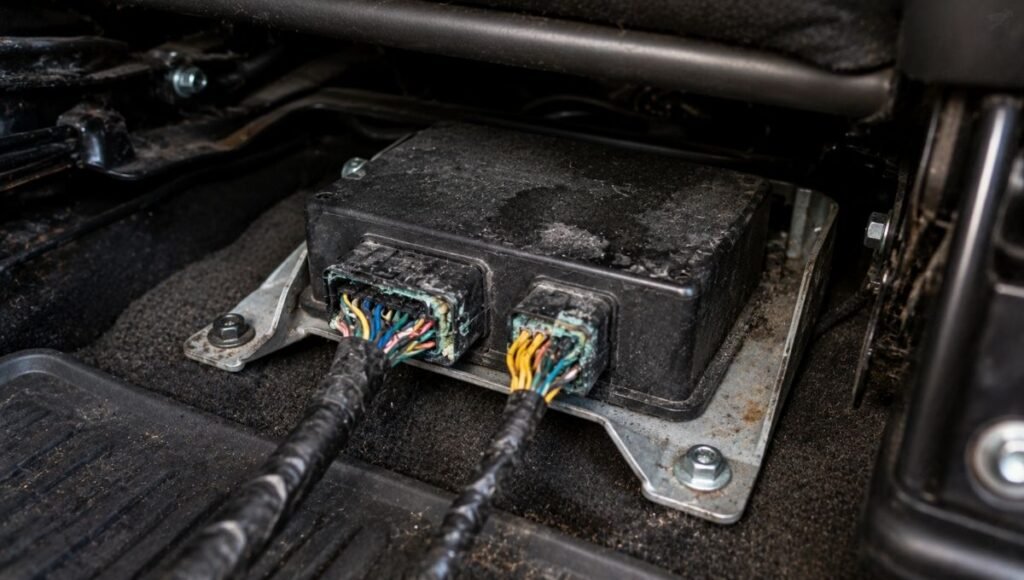
The airbag system is one of the few automotive systems where DIY diagnosis and repair carries genuine physical danger, not just the risk of making things worse.
The reasons are specific:
Airbag inflators contain explosive propellant. Mishandling — including accidental deployment from an electrical fault while working on the system — has caused serious injuries and deaths. The NHTSA and vehicle manufacturers require specific procedures for disabling the SRS system before working in areas where airbag components are accessible.
Standard OBD2 scanners typically cannot read SRS fault codes. The cheap code readers that read engine fault codes don’t access the SRS module on most vehicles. You need a professional-grade scan tool or a consumer scanner with specific SRS capability (some mid-range enhanced scanners do cover SRS — this is worth confirming before purchasing if you want to read your own codes).
Clearing codes without fixing the underlying issue is temporary. If a component has failed, clearing the code just hides the problem until the module sets the code again — usually within one ignition cycle.
What you can reasonably do yourself:
- Check whether the battery recently went dead or was replaced (possible transient voltage fault)
- Check whether anything heavy has been consistently sitting on the passenger seat
- Use a scan tool capable of reading SRS codes to identify the specific fault code before going to a shop — this helps you verify the shop’s diagnosis and avoid unnecessary repairs
What requires professional handling:
- Any physical access to airbag components (steering wheel, dashboard, under-seat area near pretensioners)
- Module replacement or reprogramming
- Clock spring replacement
- Any repair involving the SRS wiring harness
What to Expect at a Shop — and How to Not Get Oversold
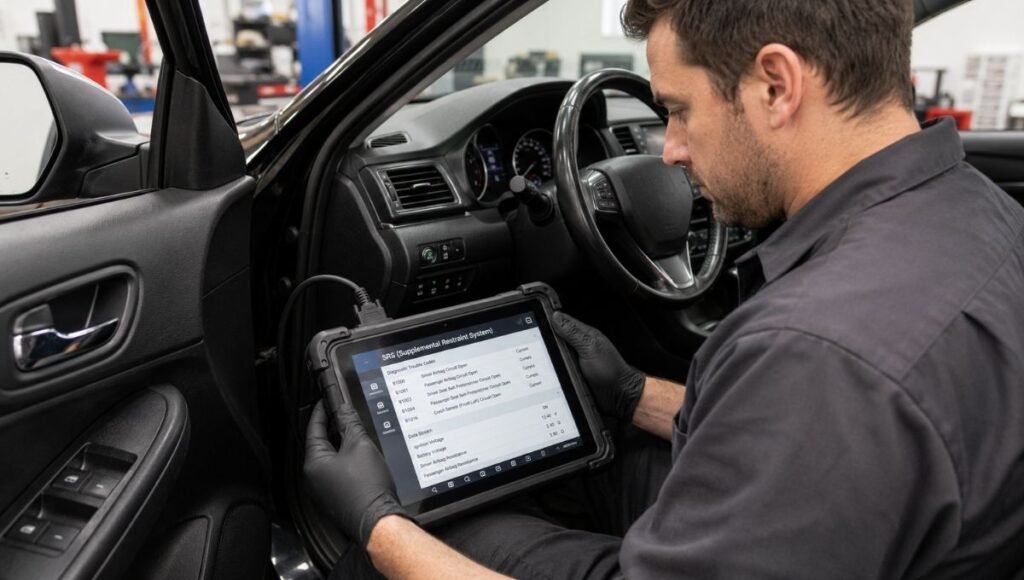
When you bring a car in for an airbag warning light, the shop’s diagnostic process should include reading the specific SRS fault codes with an appropriate scan tool, then recommending repairs based on those codes.
Ask the shop:
- “What specific fault code(s) did you pull?”
- “Is this a soft code (can be cleared) or a hard code (requires part replacement)?”
- “Is the component you’re recommending replacing definitely the cause of this specific code?”
The most common unnecessary upsell in SRS diagnosis: replacing the airbag module when the actual fault is a clock spring or seat sensor. The module is the most expensive component; confirm that the actual code points to the module before authorizing that replacement.
Shops with genuine SRS expertise can distinguish between component failures and calibration or wiring issues. A clock spring that needs replacement is a $50–$150 part. An SRS module replacement is $300–$800. The fault code points to which is actually needed.
FAQ
Is it safe to drive with the airbag light on? The car drives normally — brakes, steering, and engine are unaffected. But the airbag system is disabled, meaning airbags will not deploy in a collision. This is a meaningful safety reduction, particularly in frontal collisions where airbags reduce driver fatality risk by approximately 29% according to NHTSA data. It’s acceptable to drive to a shop, but not something to ignore indefinitely.
Will my airbags still deploy with the warning light on? No. When the SRS warning light is on, the system has disabled itself. Airbags will not deploy in a collision until the fault is diagnosed and resolved.
Can I reset the airbag light myself? Standard OBD2 code readers can’t access the SRS module on most vehicles. If you have an enhanced scan tool with SRS capability, you can clear soft codes — but if the underlying fault isn’t fixed, the code will return immediately. Physical repairs to SRS components require professional handling due to explosive components.
What causes the airbag light to come on after battery replacement? A severe voltage drop or battery replacement can cause the SRS module to register a voltage fault. Drive the vehicle for 10–15 minutes after the battery is restored — on many vehicles the light clears on its own if no persistent fault code was stored. If it remains, a scan tool is needed to clear the stored code.
Why did my airbag light come on after a minor accident? Even minor impacts can write crash event data to the SRS module, triggering the warning light. The airbags don’t need to have deployed — crash sensor data alone is sufficient to store an event record. This requires a specialist to clear or replace the module depending on whether the module itself was damaged.
How much does it cost to fix an airbag warning light? Depends entirely on the cause. Clock spring: $150–$350 parts and labor. Seat sensor or connector repair: $100–$300. OCS recalibration: $100–$200. SRS module replacement: $300–$800. Identifying the specific fault code first prevents paying for the wrong repair.
Can the airbag light come on for no reason? Not exactly — there’s always a reason the module logged a fault. But some causes are transient (voltage drop from a dead battery, temporary sensor confusion from a heavy bag on the passenger seat) and resolve without repair. If the light came on and you can identify a transient cause, address it and see if the light clears after driving. If it persists, there’s a stored code that needs professional diagnosis.
What’s Next
The airbag warning light connects directly to the broader system of understanding what your dashboard is telling you:
- Car dashboard symbols explained — the complete guide to every warning light color and urgency level, and what to do when multiple lights appear simultaneously. (→ Car Dashboard Symbols Explained)
- How long do car brakes last — your braking system is the other critical safety system; understanding both together gives you a complete safety picture. (→ How Long Do Car Brakes Last)
- Car maintenance checklist — where SRS system checks fit in your annual maintenance schedule and what to watch for. (→ Car Maintenance Checklist)
Modern vehicle safety is a system of interconnected layers. The airbag warning light is your car telling you that one of those layers isn’t working. The car still drives — but it’s worth understanding exactly what that means before deciding how long to wait.
References
- National Highway Traffic Safety Administration (NHTSA) — Lives Saved by Vehicle Safety Technologies, fatality reduction data for frontal airbags: approximately 29% reduction in driver fatality risk in frontal crashes; NHTSA Technical Report DOT HS 812 069
- Insurance Institute for Highway Safety (IIHS) — Frontal Crash Prevention and Airbag Effectiveness Research, supplemental restraint system performance data in real-world crash scenarios
- Society of Automotive Engineers (SAE) International — SAE J211: Instrumentation for Impact Test, SRS module performance standards and crash event data recording requirements
- Federal Motor Vehicle Safety Standards (FMVSS) — FMVSS No. 208, Occupant Crash Protection: airbag deployment requirements and occupant classification system performance standards
This article contains affiliate links. AutoIXPro may earn a small commission on purchases through our links at no extra cost to you. All recommendations are based on genuine research and safety value. See our Affiliate Disclosure for details.
Airbag warning light situation we didn’t cover? Contact us — we read every message.